Animal research
-
Animals research numbers
Animals used at the University of Leeds in regulated procedures.
-
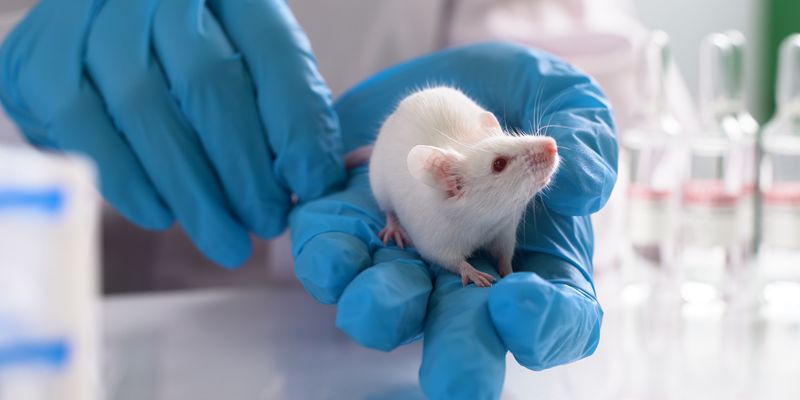
Our animal research projects
Examples of our research projects which have been granted by the Home Office.

-
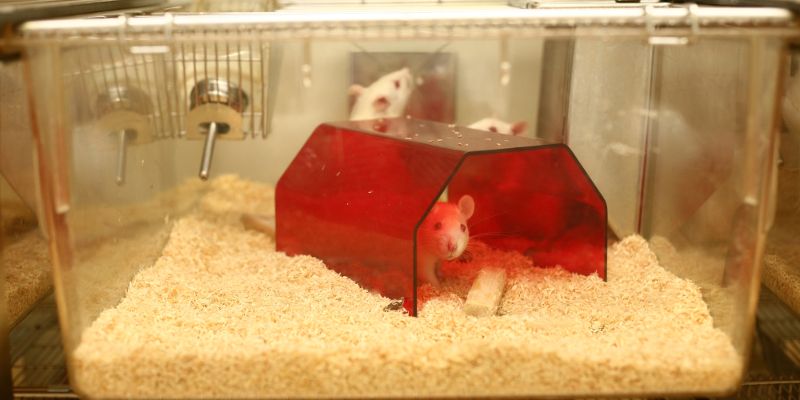
Animal care and welfare
How we regulate and administer scientific research involving animals.
-
Animal Welfare and Ethical Review Body
Annual reports and meeting minutes from our Animal Welfare and Ethical Review Body.

-
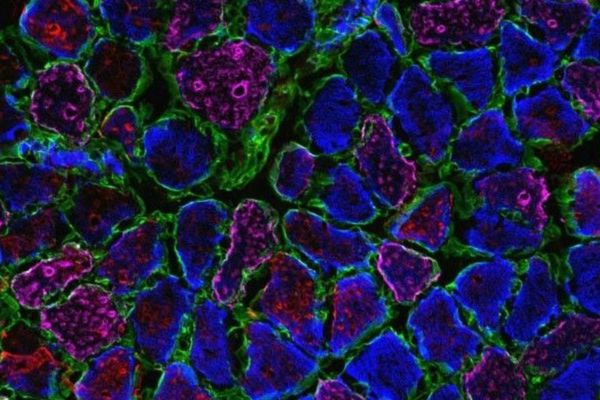
Muscle-boosting molecule released during exercise
A key molecule released during exercise strengthens muscles, improves performance and could be a treatment for muscle damage caused by type 2 diabetes.
-
Offering hope for people facing chronic pain
A major breakthrough in our understanding of pain has opened the door to new ways of tackling long term pain without harmful and addictive opioids.

-
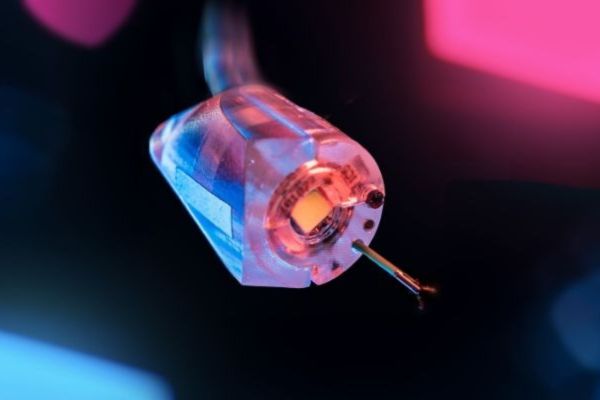
Mini rolling robot takes virtual biopsies
A tiny magnetic robot can take 3D scans from deep within the body and could revolutionise early cancer detection.