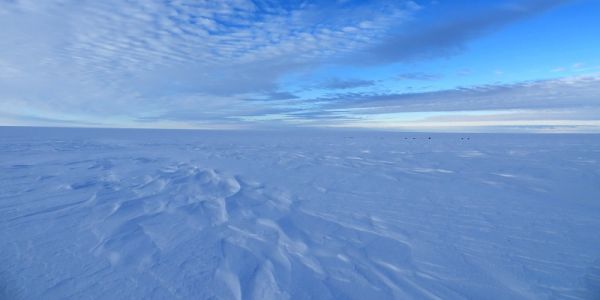
Billions of tonnes of ice lost from Antarctic Ice sheet
Scientists have calculated that the fastest changing Antarctic region - the Amundsen Sea Embayment - has lost more than 3,000 billion tonnes of ice over a 25-year period.
Scientists have calculated that the fastest changing Antarctic region - the Amundsen Sea Embayment - has lost more than 3,000 billion tonnes of ice over a 25-year period.
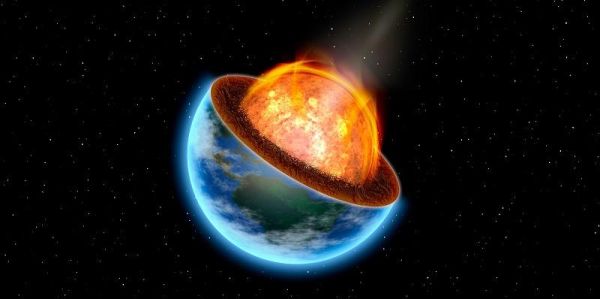
Compass readings that do not show the direction of true north and interference with the operations of satellites are a few of the problems caused by peculiarities of the Earth’s magnetic field.
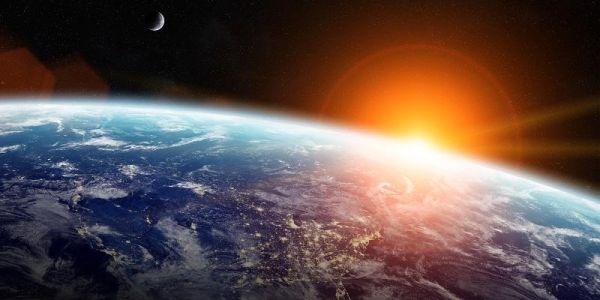
Mineral dust played a key role in raising oxygen levels in the Earth’s atmosphere billions of years ago, with major implications for the way intelligent life later evolved, say researchers.
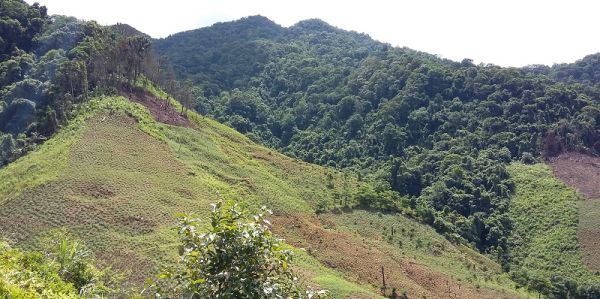
Deforestation is resulting in reduced rainfall across large parts of the tropics, according to new research.
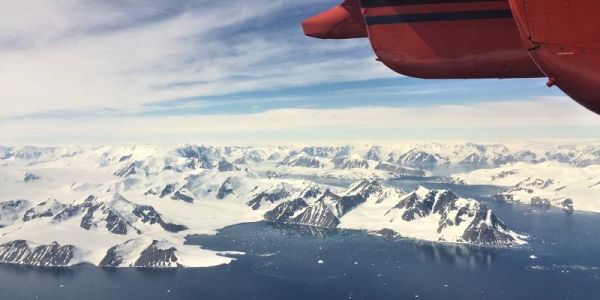
Glaciers along the Antarctic peninsula are flowing faster in the summer because of a combination of melting snow and warmer ocean waters, say researchers.
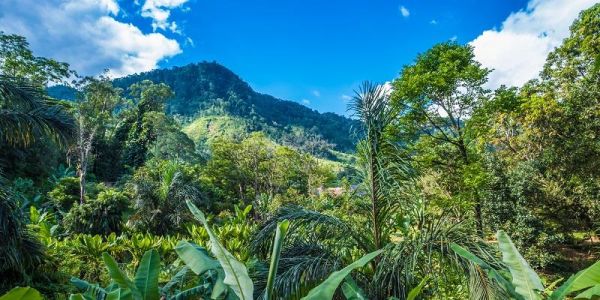
Governments are not using the latest mapping technology to report key environmental data about tropical forests to the UN, say researchers.
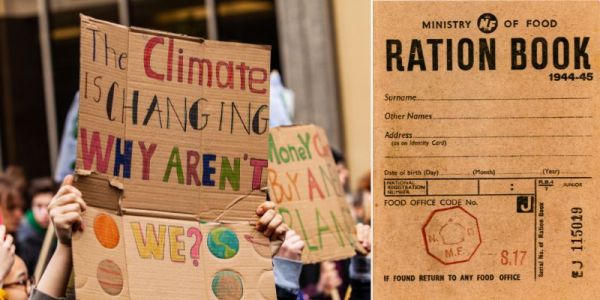
World War II-style rationing could be an effective way to reduce carbon emissions, according to new research from the University of Leeds.
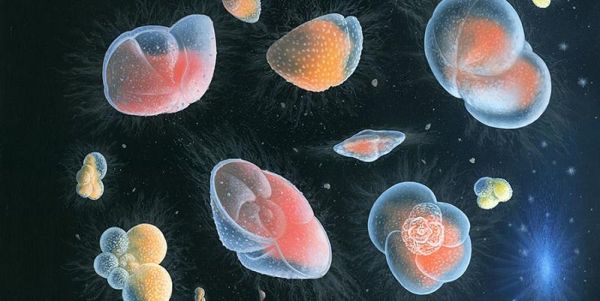
Researchers have used nearly half a million fossils to solve a scientific mystery - why the number of different species is greatest near the equator and decreases towards polar regions.

The UK’s laundry releases microfibres weighing the equivalent of up to 1,500 double-decker buses every year, according to new research.

A major analysis of the carbon footprint of universities and FE colleges has revealed for the first time the source and scale of their emissions.