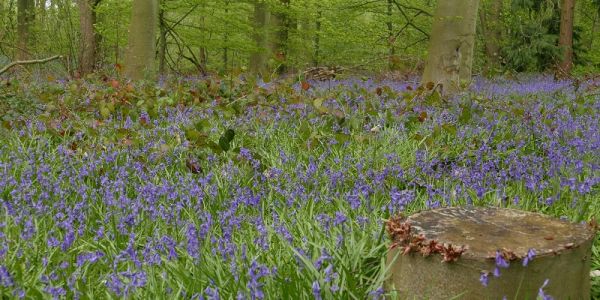
The impact different species and their traits have on human wellbeing
New research has revealed for the first time that well-functioning ecosystems are crucial to human health and wellbeing.
New research has revealed for the first time that well-functioning ecosystems are crucial to human health and wellbeing.
Human-caused global warming has continued to increase at an “unprecedented rate” since the last major assessment of the climate system published two years ago, say 50 leading scientists.
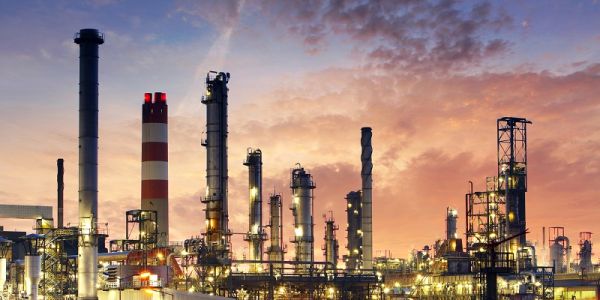
Industrialised nations responsible for excessive levels of CO2 emissions could be liable for $170 trillion in compensation by 2050 to ensure climate change targets are met, say researchers.
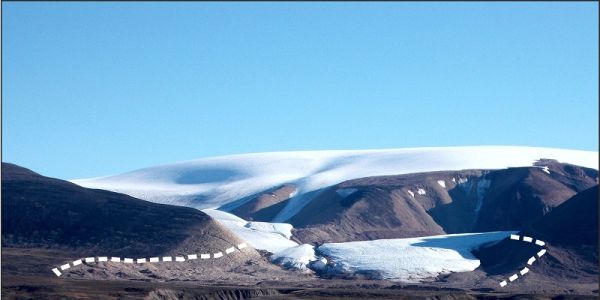
A study has found widespread mass loss of glaciers and ice caps in Greenland since the start of the 20th century.
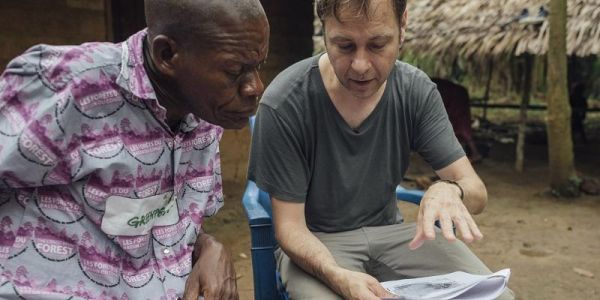
A researcher who exposed the threat that climate change poses to tropical forests in Africa has been elected a Fellow of the Royal Society, one of the highest accolades in science.
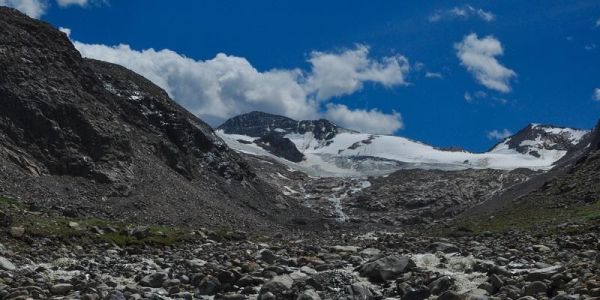
With glaciers melting at unprecedented rates due to climate change, invertebrates that live in the cold meltwater rivers of the Alps will face widespread habitat loss, warn researchers.
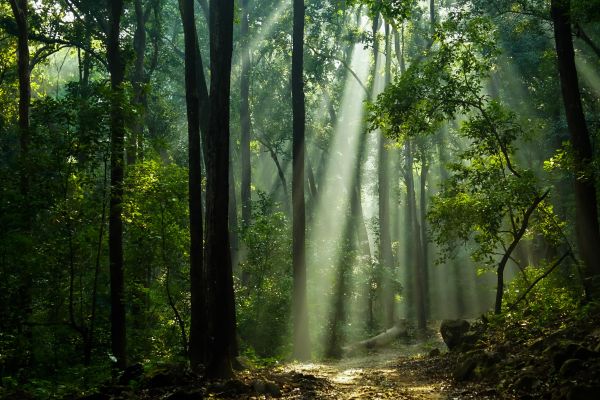
A collaboration involving 80 scientists has identified the regions of the Amazon rainforest where trees are most likely to face the greatest risk from drier conditions brought about by climate change.
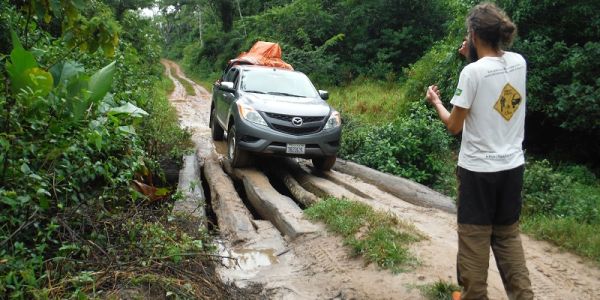
As an ecologist, Dr Julia Tavares often has to consider how to collect data from remote locations.
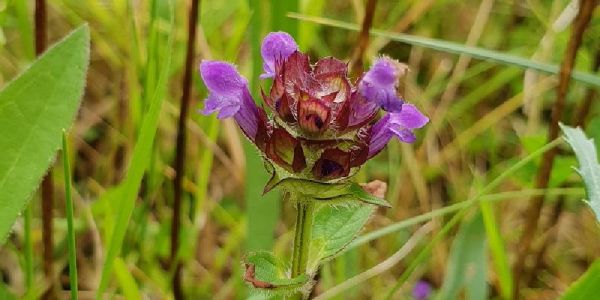
Some smartphone identifier apps misidentify at least one in five plant species, according to a new study.
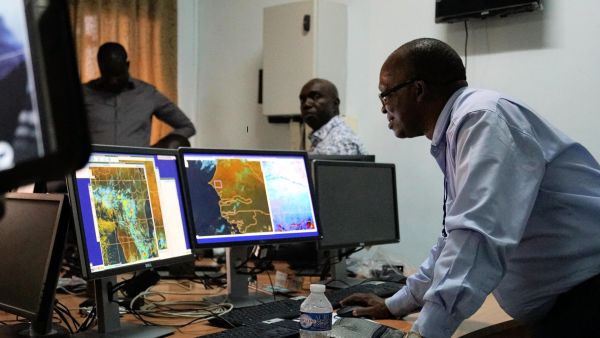
Scientists have been awarded £2 million to develop ways of alerting communities in South Africa, Zambia and Mozambique to extreme weather.