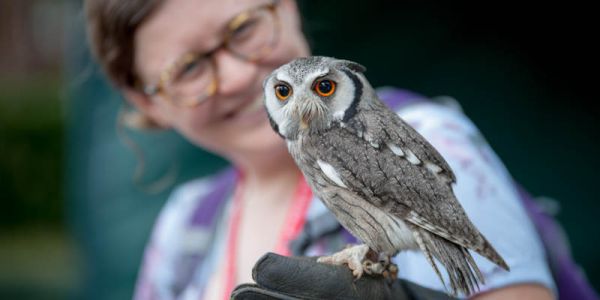
Making Leeds Medieval: University turns back the clock
Leeds plays host to the world’s largest conference of its kind this week as the University’s International Medieval Congress (IMC) comes to the city once more.
Leeds plays host to the world’s largest conference of its kind this week as the University’s International Medieval Congress (IMC) comes to the city once more.
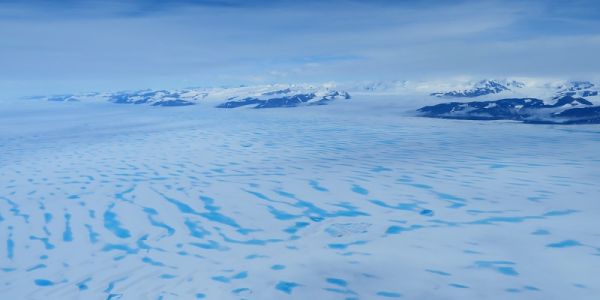
Seven areas of fast-flowing ice on the Antarctic Peninsula have been formally named after Earth observation satellites, following a request by a University of Leeds scientist.

A new study has used partially fossilised plants and single-celled organisms to investigate the effects of climate change on the Canadian High Arctic wetlands and help predict their future.
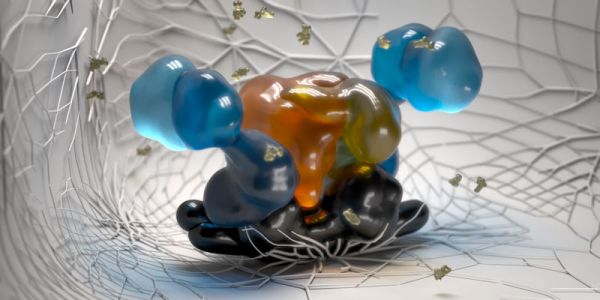
Scientists have identified a new internal regulator that helps control the body’s response to fight infection.

Scientists are attempting to tackle a virus that causes Kaposi’s sarcoma, a skin cancer that is common amongst those with HIV.

The University has extended its global impact, supporting more than 70 Global Challenges Research Fund research projects across 30 different countries.

Leeds has been recognised as one of the world's most international universities.

The University has signed a new partnership agreement with one of Europe’s largest research and educational institutions.
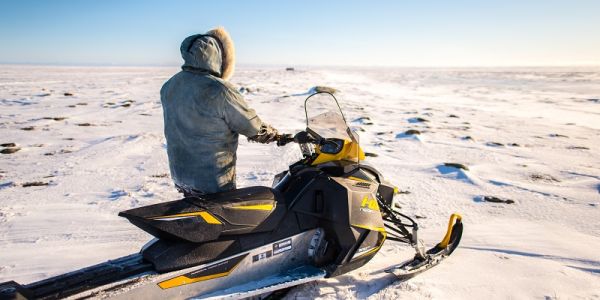
Inuit communities’ travel skills and regional knowledge have helped mitigate the effects of Arctic climate change on travel conditions, according to a new study.

A new study suggests climate change will significantly alter rainfall patterns for key agricultural regions, but the worst effects could be mitigated by reducing greenhouse gas emissions.