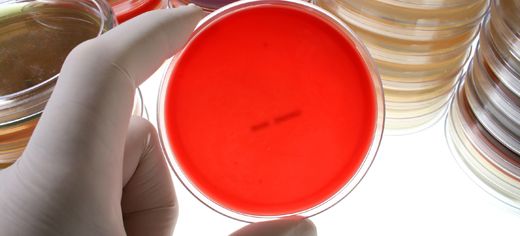
Restricting antibiotics could be key to fighting "superbug"
New ways are needed to fight the infection Clostridium difficile and better use of antibiotics could be key, according to the authors of ground-breaking research.
New ways are needed to fight the infection Clostridium difficile and better use of antibiotics could be key, according to the authors of ground-breaking research.

Death rates in children's intensive care units are at an all-time low despite higher numbers of admissions, new research published by the University of Leeds and the University of Leicester shows.

Researchers from the University of Leeds are developing an innovative new robotic device that helps children to practise and improve their hand coordination.
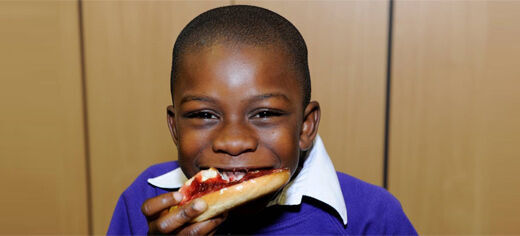
As children head back to school this week, new research by the University of Leeds has shown that children who eat breakfast are more likely to have higher school grades.
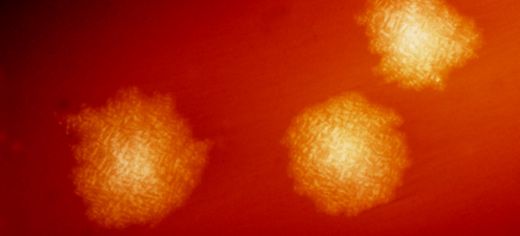
The largest study of its kind, carried out by experts at the University of Leeds, has shown the most effective test for the diagnosis of Clostridium difficile (C-Diff).
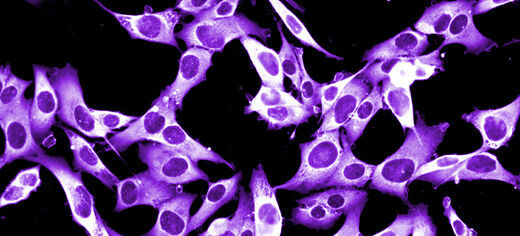
Death rates from malignant melanoma - the most serious type of skin cancer - are 70% higher in men than women, despite similar numbers being diagnosed with the disease each year.

Patients attending clinical nurse specialist clinics do not get inferior treatment to that offered by consultant rheumatologists, the results of a major new clinical trial have revealed.

New research published in The Lancet highlights important information for health professionals and parents about the factors which may increase the likelihood of a baby being born with a birth defect.

A study of the experiences of cosmetic surgery tourists, led by the University of Leeds, challenges widely-held perceptions about the safety and motives of people travelling overseas for treatment.

A partnership involving various research centres at the University has been awarded £1m over four years by the National Institute of Health Research (NIHR), to form a Diagnostic Evidence Co-operative.