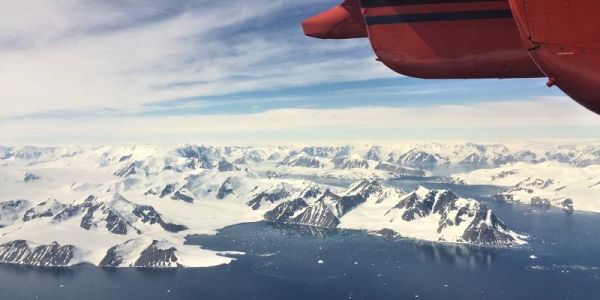
Satellites reveal speed-up of Antarctic glaciers
Glaciers along the Antarctic peninsula are flowing faster in the summer because of a combination of melting snow and warmer ocean waters, say researchers.
Glaciers along the Antarctic peninsula are flowing faster in the summer because of a combination of melting snow and warmer ocean waters, say researchers.
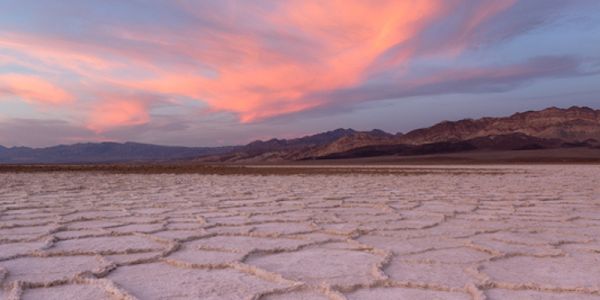
The curious landscapes formed by dried out salt lakes are caused by the movement of fluids in the soil beneath the surface, according to new research published today.

A decade-long international study into kidney cancer has shown that doctors can predict the likelihood of a patient’s disease returning by looking at DNA mutations in their tumours.
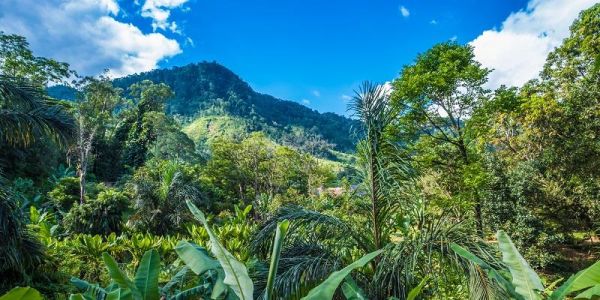
Governments are not using the latest mapping technology to report key environmental data about tropical forests to the UN, say researchers.

Basing specialist pharmacists in care homes can help make residents safer by cutting potential harm from medicines, according to research carried out by University of Leeds academics.
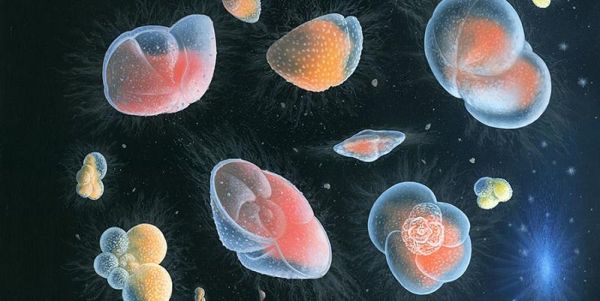
Researchers have used nearly half a million fossils to solve a scientific mystery - why the number of different species is greatest near the equator and decreases towards polar regions.

The life-changing impact of cancer research done at the University is being celebrated on the first anniversary of the Leeds Cancer Research Centre.

A major analysis of the carbon footprint of universities and FE colleges has revealed for the first time the source and scale of their emissions.

Giving colon cancer patients chemotherapy before surgery cuts the risk of the disease coming back, according to the results of a new clinical trial.
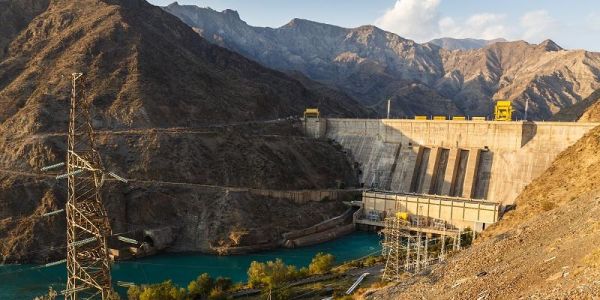
Scientists have analysed data from nearly three million rivers across the globe to identify where hydropower stations could be sited with limited environmental impacts.