
Making quantum computing more resilient
Quantum computing systems could be made more stable and efficient thanks to a discovery about the way some atomic particles behave.
Quantum computing systems could be made more stable and efficient thanks to a discovery about the way some atomic particles behave.
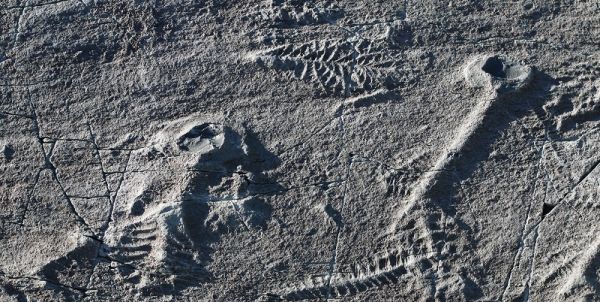
Oxygen levels in the Earth’s atmosphere are likely to have “fluctuated wildly” one billion years ago, creating conditions that could have accelerated the development of early animals, say researchers.

People often wonder why one nutritional study tells them that eating too many eggs, for instance, will lead to heart disease and another tells them the opposite.

A leading researcher who played an important role in Britain’s response to the pandemic has been appointed to chair a new science committee.

A calculator which could reduce the level of carbon emissions generated by food production and consumption has been developed by data scientists at the University of Leeds.

Scientists have discovered how a chemical in the cells of marine organisms enables them to survive the high pressures found in the deep oceans.

Climate models are unreliable when it comes to predicting the damage that tropical cyclones will do to sensitive coral reefs, according to a new study published in the journal Earth’s Future.

Global warming is likely to cause a decline in the number of species of microbes that live in tropical soils - and that could threaten the biodiversity of rainforests and increase carbon emissions.
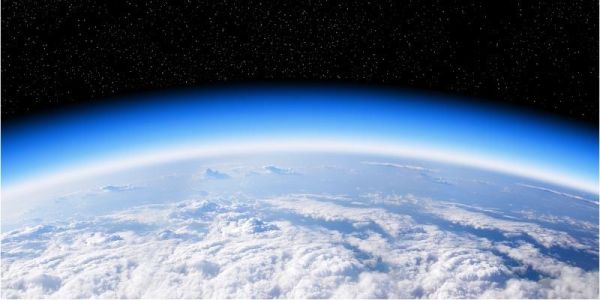
Researchers have developed a new method for assessing the impact of ozone-depleting chemicals released into the atmosphere.
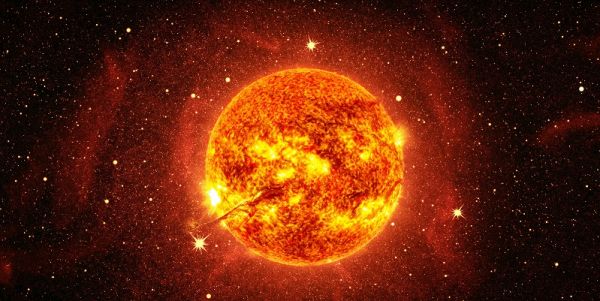
A Leeds professor has been awarded a prestigious fellowship to investigate one of the most complex areas of maths in astrophysics.