
Species invasions can teach us about COVID-19
Invasions by alien insect and animal species have much in common with outbreaks of infectious diseases and can tell us a lot about how pandemics spread, according to new research.
Invasions by alien insect and animal species have much in common with outbreaks of infectious diseases and can tell us a lot about how pandemics spread, according to new research.

Scientists studying the impact of record heat and drought on intact African tropical rainforests were surprised by how resilient they were to extreme conditions during the last major El Niño event.

Scientists have used a fibre-optic sensor passed deep into a borehole to obtain the most detailed measurements of ice properties ever taken on the Greenland Ice Sheet.
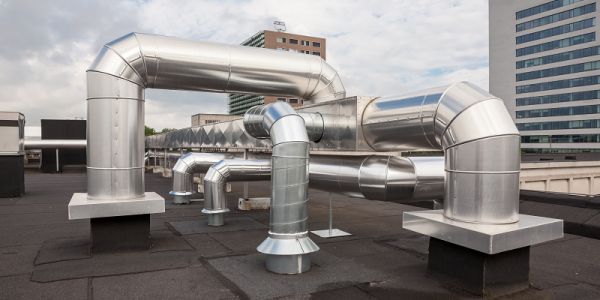
Leading experts in the transmission of airborne pathogens are calling for tighter regulations to control air quality in buildings – as a way of reducing the spread of COVID-19 and other illnesses.

People living with heart failure could benefit from personalised pacemakers to help them exercise safely, thanks to a trial being carried out by a team in the School of Medicine.
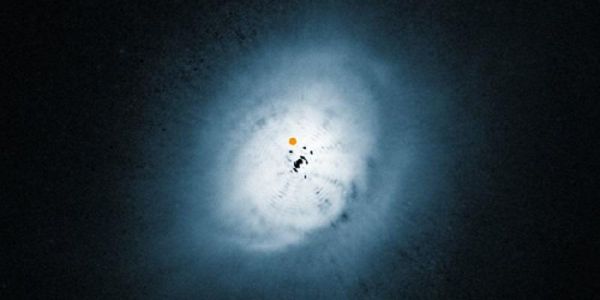
Astronomers have identified the molecule methanol in the ‘warm zones’ of a protoplanetary disk circling a star about 360 light years from Earth.

A major refurbishment to enhance world-class research facilities for the Faculty of Biological Sciences is complete.

A test which uses artificial intelligence (AI) to measure proteins present in some patients with advanced bowel cancer could hold the key to more targeted treatment, according to new research.
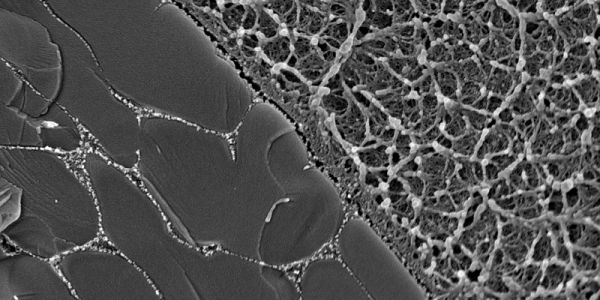
Engineers have developed a material that mimics human cartilage – the body’s shock absorbing and lubrication system, and it could herald the development of a new generation of lightweight bearings.

Volcanic eruptions deep in our oceans are capable of extremely powerful releases of energy, at a rate high enough to power the whole of the United States, according to research published today.