
Out of this world development of a new catalytic converter
Scientists are using an analysis of gases in the atmosphere of Venus to develop a new generation of lower-cost and more effective catalytic converters.
Scientists are using an analysis of gases in the atmosphere of Venus to develop a new generation of lower-cost and more effective catalytic converters.

The health of the UK’s insect populations is to be assessed by a new project, which aims to advise on policies to help protect them more effectively post-Brexit.

The rate at which ice is disappearing across the planet is speeding up, according to new research.
Scientists believe a key nutrient transported by the wind is contributing to the growth of algal blooms on melting ice sheets.
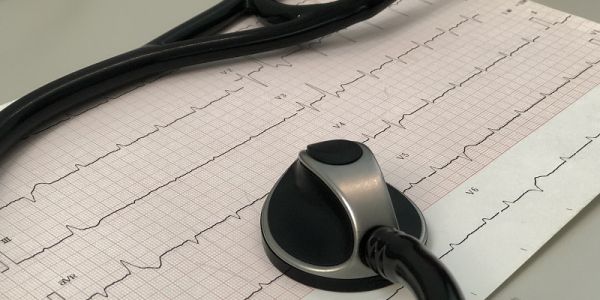
Data analysis by researchers at the University of Leeds is revealing a second sharp drop in the number of people admitted to hospital in England with acute heart failure or a heart attack.
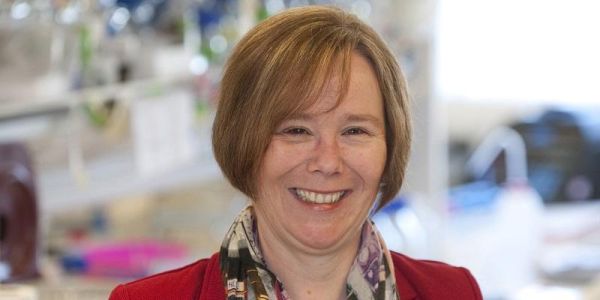
The UK's leading scientific academy – the Royal Society – has announced that Professor Sheena Radford is to receive one of its most prestigious research awards.
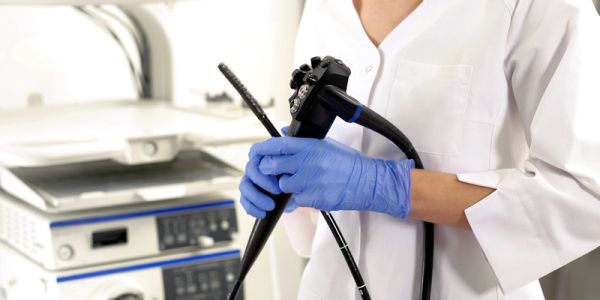
A new study involving the University has found that since the first coronavirus lockdown the number of people diagnosed with bowel cancer in England has fallen sharply.

Researchers have for the first time identified the way viruses like the poliovirus and the common cold virus ‘package up’ their genetic code, allowing them to infect cells.
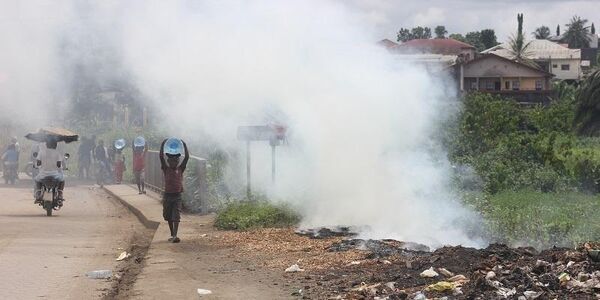
Up to one billion tonnes of solid waste is being openly burned worldwide each year and risks the health of “tens of millions of people”, according to a review of the latest scientific evidence.
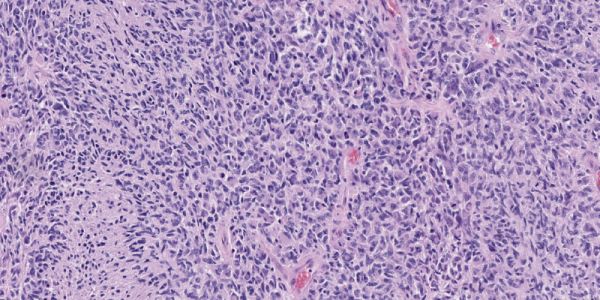
A new Leeds-based brain tumour Tissue Bank is set to open following donations from two Yorkshire charities.