
Child cancer patients at no greater risk of severe COVID-19 infection
Results from a study of children with cancer who tested positive for COVID-19 has found they were not at an increased risk of getting a severe coronavirus infection.
Results from a study of children with cancer who tested positive for COVID-19 has found they were not at an increased risk of getting a severe coronavirus infection.

A new less invasive treatment is safer than standard major surgery for early-stage rectal cancer, giving patients a better quality of life with fewer life-altering side effects, a pilot study shows.

University of Leeds research has shown how microbubbles carrying powerful cancer drugs can be guided to the site of a tumour using antibodies.
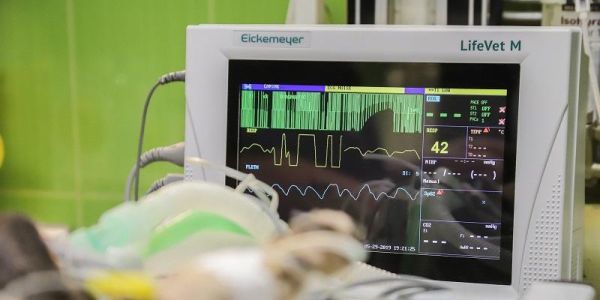
A new study suggests that COVID-19 guidance in Sweden may have reduced people’s risks of having a heart attack.
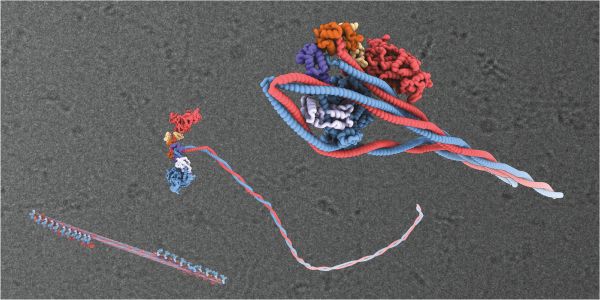
A visualisation made from nearly 100,000 electron microscope images has revealed the ingenious way a protein involved in muscle activity shuts itself down to conserve energy.

A large international study has revealed that the genetic risk of pre-eclampsia, a potentially dangerous condition in pregnancy, is related to blood pressure and body mass index (BMI).

Scientists have conducted a ‘molecular dissection’ of a part of the virus that causes foot-and-mouth disease, to try and understand why the pathogen is so infectious.

Rail industry and civic leaders are urging the Government to accelerate construction of an advanced rail Institute that would provide a “...game-changing opportunity for the UK”.

The University of Leeds has secured part of a new £147 million research initiative to work with developing nations on the world's biggest challenges.

The benefits of giving chemotherapy before surgery to bowel cancer patients will be further explored in a new £3.4 million trial, one of three awarded regional funding.