Scientists create the world's thinnest gold
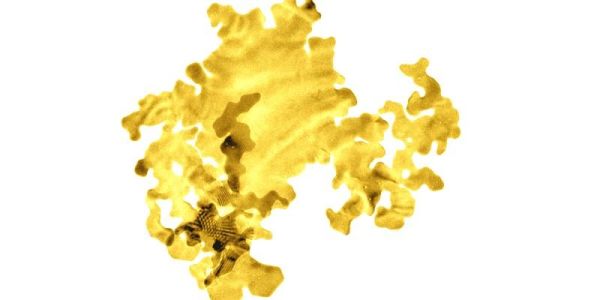
Scientists at the University of Leeds have created a new form of gold which is just two atoms thick – the thinnest unsupported gold ever created.
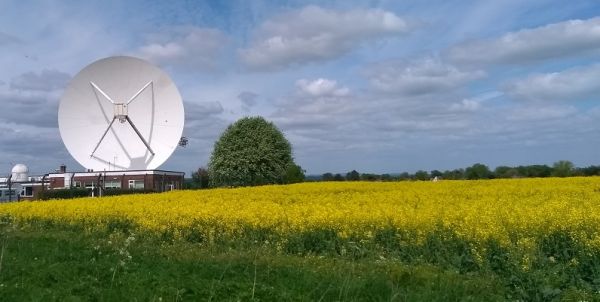
Scientists are developing a pioneering technique that allows them to monitor insects in the air using weather radars, as part of a research project called BioDAR.
Animals are not adapting fast enough in response to the changing climate, according to new research published today in Nature Communications.
A nutritional survey of baby food on sale in Europe has shown that a significant number of products contain high sugar levels that contradict World Health Organisation (WHO) recommendations.
An evaluation of the global energy return on investment for fossil fuels and renewable sources reveals a much more level playing field than previously believed.
Scientists have identified a new internal regulator that helps control the body’s response to fight infection.
Leeds scientists are leading a research network of northern universities to find new ways to rapidly decarbonise UK transport.
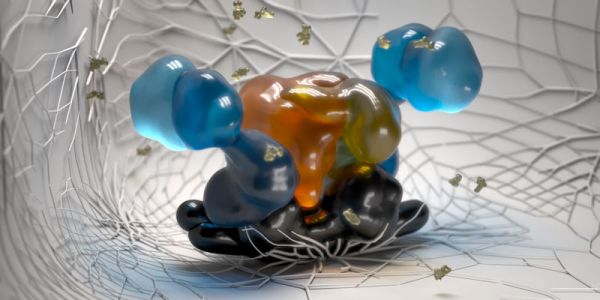
Researchers at the University of Leeds are developing a cheaper and safer way of making the polio vaccine.
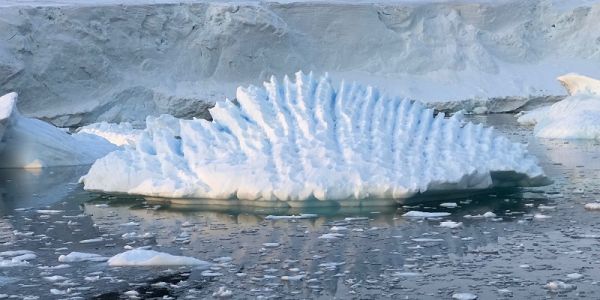
In only 25 years, ocean melting has caused ice thinning to spread across West Antarctica so rapidly that 24% of its glacier ice is now affected, according to a new study.
Three University of Leeds researchers have received a prestigious fellowship aimed at tackling global challenges.