
Climate change affects insects’ ability to evade predators
Harmless flies have evolved over millions of years to mimic the appearance of stinging insects, but new evidence suggests climate change is reducing the effectiveness of that disguise.
Harmless flies have evolved over millions of years to mimic the appearance of stinging insects, but new evidence suggests climate change is reducing the effectiveness of that disguise.
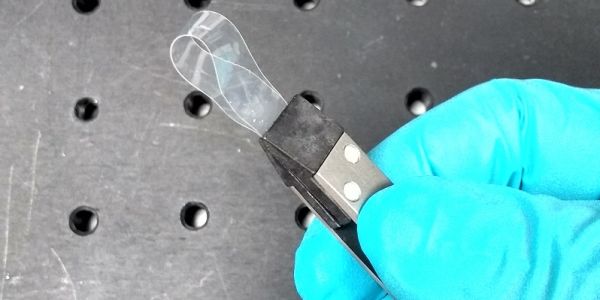
Scientists have discovered the first synthetic material that becomes thicker – at the molecular level – as it is stretched.
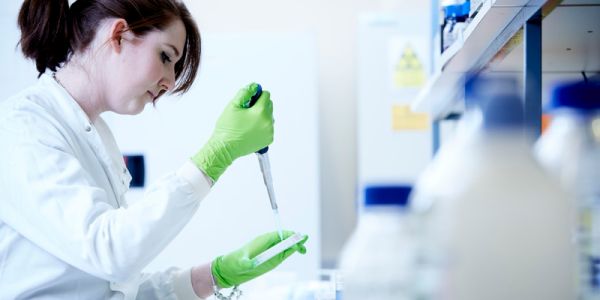
UK scientists have found a new way to identify people with the most aggressive types of lymphoma, which are less likely to respond to standard drugs.

Professor Piers Forster has been appointed to the Committee on Climate Change and will help to shape environmental legislation and policy.

Only about a fifth of women at higher risk of developing breast cancer think they need to take a drug proven to help prevent the disease, according to new research.

Newly-developed "nano-tweezers" created by university researchers can for the first time extract single molecules from live cells without destroying them – solving a long-standing research problem.
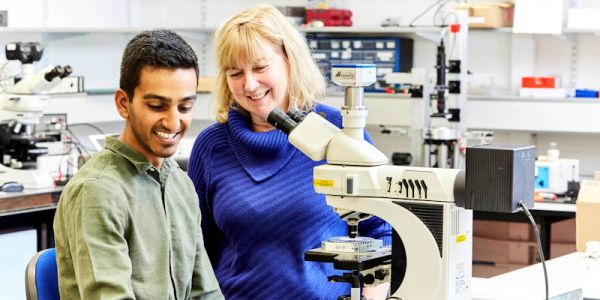
Professor Helen Gleeson has won the Outstanding Research Supervisor of the Year category in this year’s Times Higher Education Awards, announced last night.

A new study has predicted the effects driverless cars could have on urban transport systems and public behaviour in the City of Leeds.

Only a third of European countries have robust reporting on child and adolescent nutrient intakes, new research shows.

The century-long mission to understand how the proteins which underpin amyloid-based diseases like Alzheimer’s, Huntington’s and Parkinson’s has taken major steps forward in the last 12 months.