How the brain copes with extreme stress
In January 1987, Terry Waite was abducted while negotiating the release of hostages in the Middle East. He was held captive for five years – for much of that time he was in solitary confinement.
In January 1987, Terry Waite was abducted while negotiating the release of hostages in the Middle East. He was held captive for five years – for much of that time he was in solitary confinement.
Pregnant women who go to sleep on their back during the later stages of pregnancy face an increased likelihood of suffering a stillbirth, according to new research.

Scientists have discovered the ‘genetic signatures’ of the most common form of bladder cancer – and it opens up the possibility of better-targeted treatment, according to newly published research.
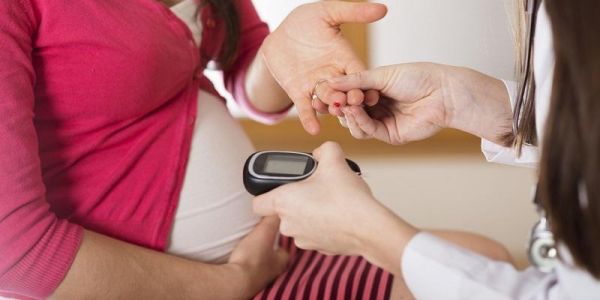
Half the babies born to women with diabetes are at risk of suffering complications due to fluctuations in their mothers’ glucose levels, say researchers.
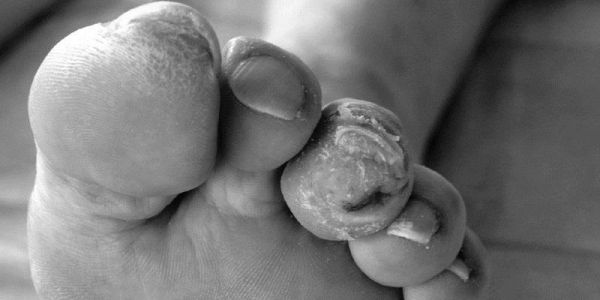
The prognosis for people with an infected diabetic foot ulcer is worse than was previously thought, according to new research.

The University is to name a key building in its £96m investment in engineering and physical sciences in honour of one of Leeds’ most influential scientists.

Doctors are developing a more personalised approach to the treatment of bowel cancer, thanks to research which has found a way of screening tumours for their susceptibility to drug therapy.

One of the largest global mass extinctions did not fundamentally change marine ecosystems, scientists have found.
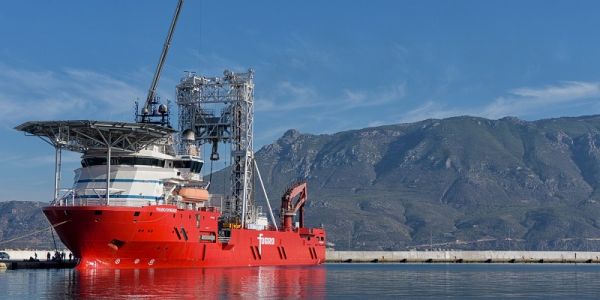
An international expedition aims to better understand seismic activity through samples collected from one of the most geologically active areas in Europe.
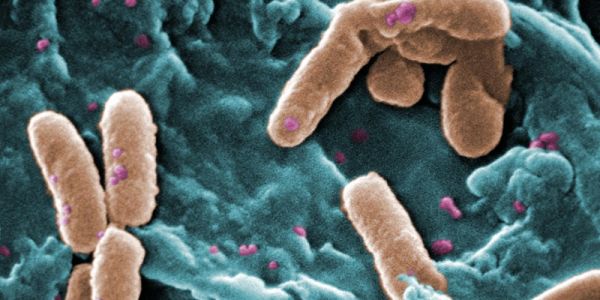
Cooperating bacterial populations are more likely to survive in changing habitats, new research shows.