
Scientists a step closer to drug treatment for Hepatitis B
A major new insight into how Hepatitis B Virus works could pave the way for new drug treatments for the infection which is the major cause of liver cancer worldwide.
A major new insight into how Hepatitis B Virus works could pave the way for new drug treatments for the infection which is the major cause of liver cancer worldwide.

A new study has found a previously undetected potential health risk from the high concentration of small particles found in the boomerang-like return of a volcanic plume.
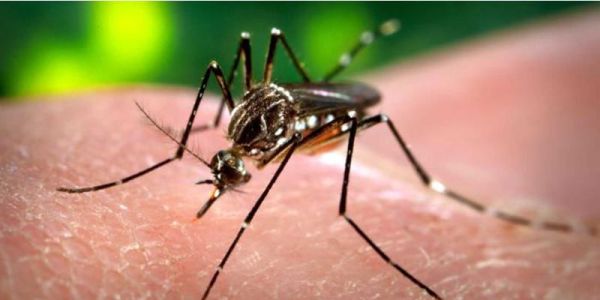
Scientists have uncovered why the Zika virus may specifically target neural stem cells in the developing brain, potentially leading to microcephaly.
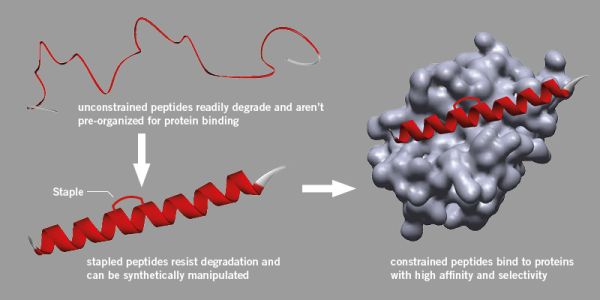
Scientists have created a new method to structure peptides, which they say will be cheaper and make the process of using stapled peptides in drug discovery much more widely available.
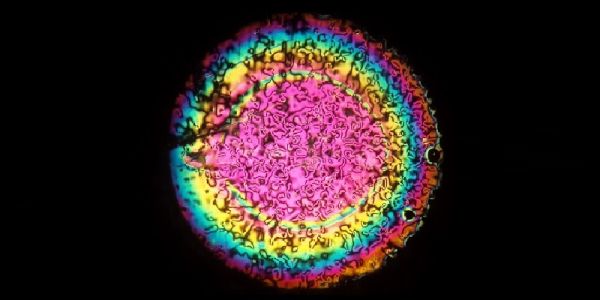
A new partnership between leading science and technology company Merck and the University aims to expand the use of liquid crystals in optical innovations.

The Royal Society has elected Professor of Engineering Anne Neville to its fellowship, in recognition of her substantial contribution to the field of corrosion and tribology research.

Biopharma and food businesses working with proteins now have access to better information about how a type of fluid flow used in manufacturing processes can affect the quality of their products.

A new approach to predicting the outcomes of major events could give people an incentive to seek out more diverse sources of information, according to a new study.

The impact of the University’s research and its commitment to supporting early career academics has been demonstrated to the incoming chair of the new body set to oversee the UK’s research councils.
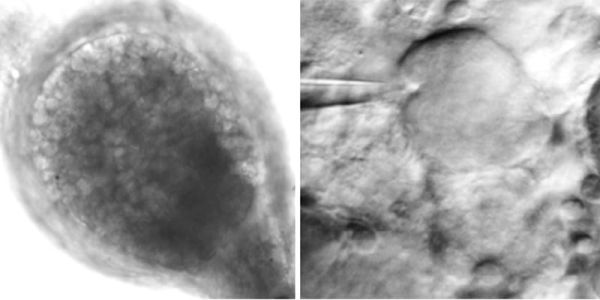
The body’s peripheral nervous system could be capable of interpreting its environment and modulating pain, neuroscientists have established, after studying how rodents reacted to stimulation.