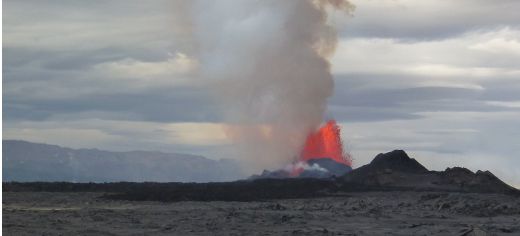
Icelandic volcano’s toxic gas is treble that of Europe’s industry
A huge volcanic eruption in Iceland emitted on average three times as much of a toxic gas as all European industry combined, a study led by the University of Leeds has revealed.
A huge volcanic eruption in Iceland emitted on average three times as much of a toxic gas as all European industry combined, a study led by the University of Leeds has revealed.

The first images of motor proteins in action are published in the journal Nature Communications today.

Astronomers have successfully peered through the ‘amniotic sac’ of a star that is still forming to observe the innermost region of a burgeoning solar system for the first time.

A pioneering digital musician is following in the footsteps of physicist Brian Cox by being chosen to give a public lecture at the British Science Festival in Bradford (7-10 September).
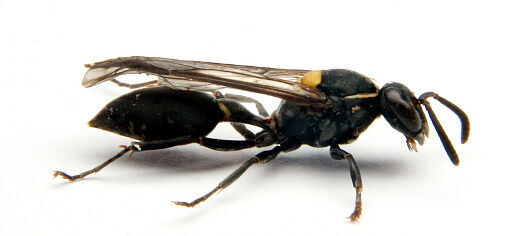
The venom of a wasp native to Brazil could be used in the fight against cancer, according to new University of Leeds research.
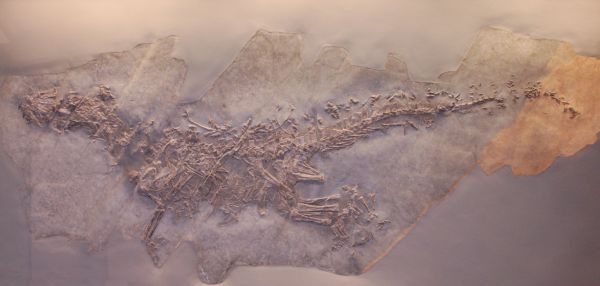
Widespread species are at just as high risk of being wiped out as rare ones after global mass extinction events, says new research by University of Leeds scientists.
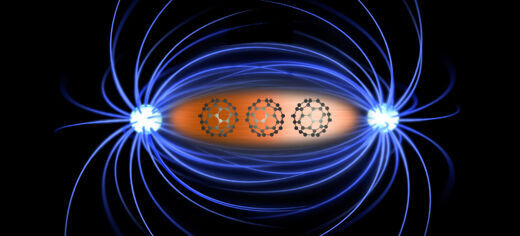
Scientists have demonstrated for the first time how to generate magnetism in metals that are not naturally magnetic, which could end our reliance on some rare and toxic elements currently used.
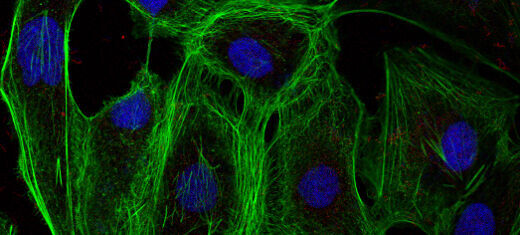
Cancer can be caused solely by protein imbalances within cells, a study of ovarian cancer has found.
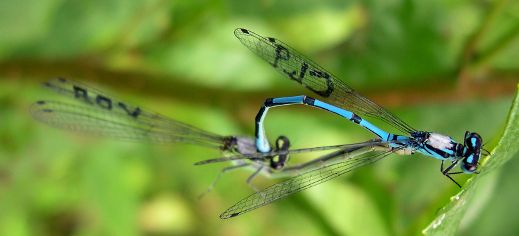
Aging damselflies never lose their libidos and are just as likely as younger competitors to mate.

The new Minister for Universities and Science, Jo Johnson MP, visited world-leading research facilities at the University of Leeds.