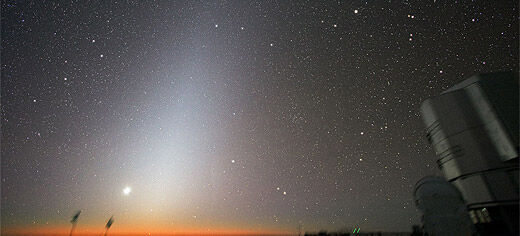
Is the Earth a cosmic feather-duster?
Scientists at the University of Leeds are looking to discover how dust particles in the solar system interact with the Earth's atmosphere.
Scientists at the University of Leeds are looking to discover how dust particles in the solar system interact with the Earth's atmosphere.
Three Leeds researchers have been recognised for excellence in medical science by being elected to the Fellowship of the Academy of Medical Sciences.
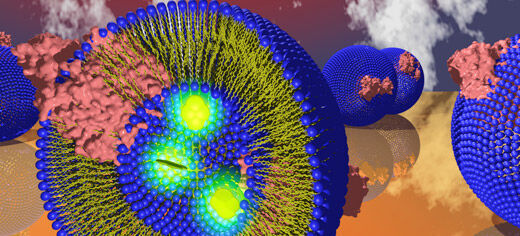
Researchers from the University of Leeds are studying how to make electricity from electrodes coated in bacteria, and other living cells, using light or hydrogen as the fuel.
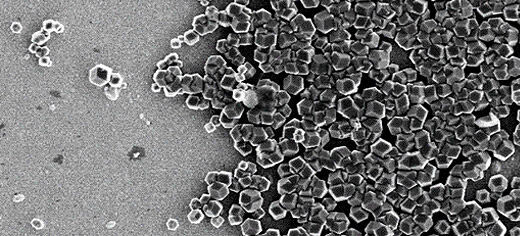
Forget computer viruses - magnet-making bacteria could be used to build tomorrow's computers with larger hard drives and speedier connections.
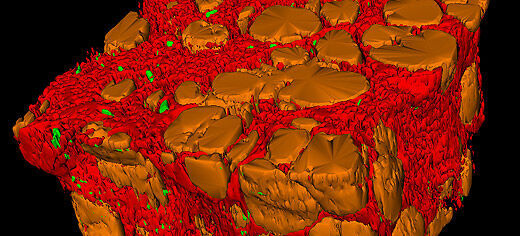
Computing experts and medical researchers at the University of Leeds have developed a fast, easy-to-use way of studying tissue samples in 3D using 'virtual' microscope slides.
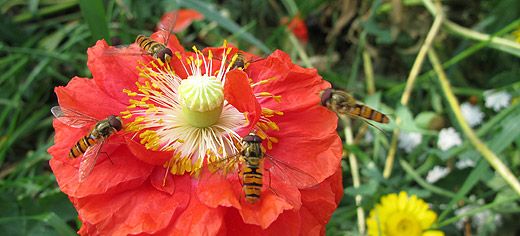
A three year £1.3 million research project will examine how bees, hoverflies and other pollinating insects are affected by city life.
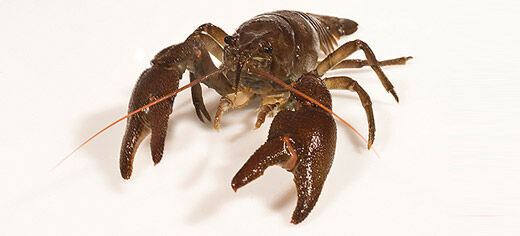
Aggressive American signal crayfish are threatening Yorkshire's native white-clawed crayfish populations because they have better resistance to parasites and are less fussy about what they eat.

The University of Leeds and design consultant Arup have signed an agreement which will lead to collaborations in education and research.
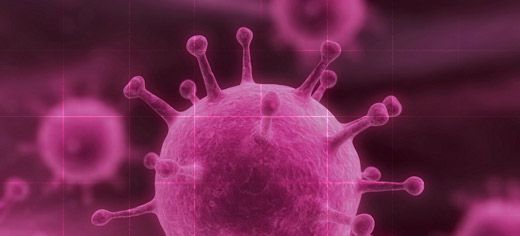
Scientists have developed a technique which could form the basis of a non-invasive diagnostic for Adenovirus - the virus responsible for a large number of common illnesses.
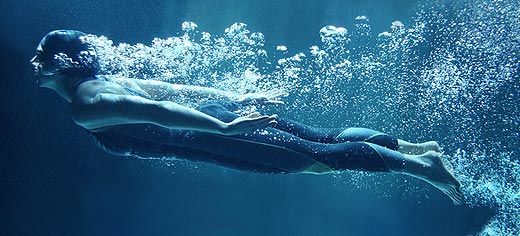
Fabric used to make what is believed to be the fastest swimsuit to ever go on the market was tested by Leeds researchers who simulated conditions close to those experienced by elite swimmers.