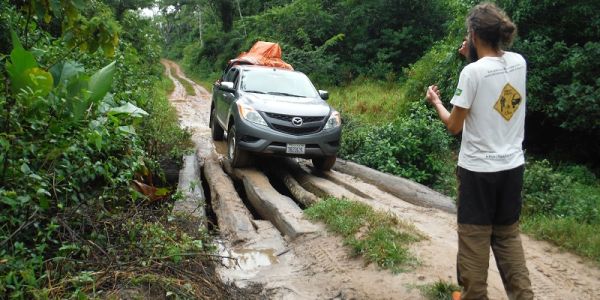
Amazon - challenges of science in the rainforest
As an ecologist, Dr Julia Tavares often has to consider how to collect data from remote locations.
As an ecologist, Dr Julia Tavares often has to consider how to collect data from remote locations.
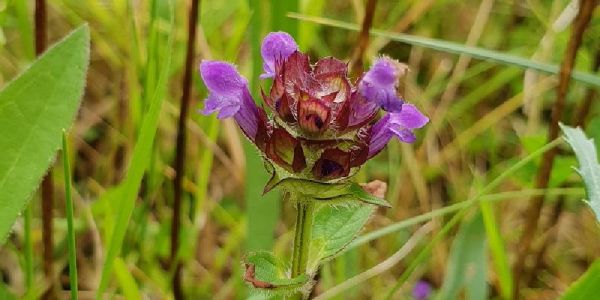
Some smartphone identifier apps misidentify at least one in five plant species, according to a new study.
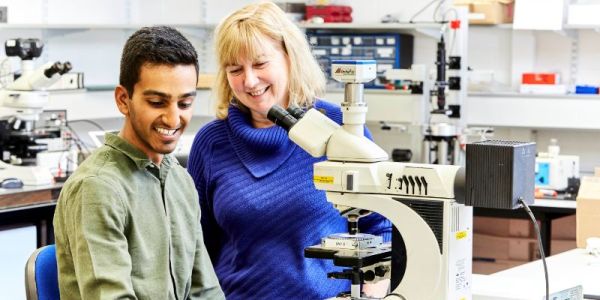
A cutting edge “deeptech” company born when a Leeds academic discovered a revolutionary new material that gets thicker as it is stretched has attracted £2 million in investment.
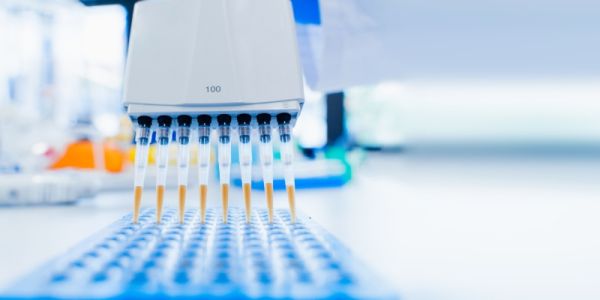
Scientists have found a new way to predict which myeloma patients will benefit the most from a treatment often used to help keep the blood cancer from coming back after a stem cell transplant.
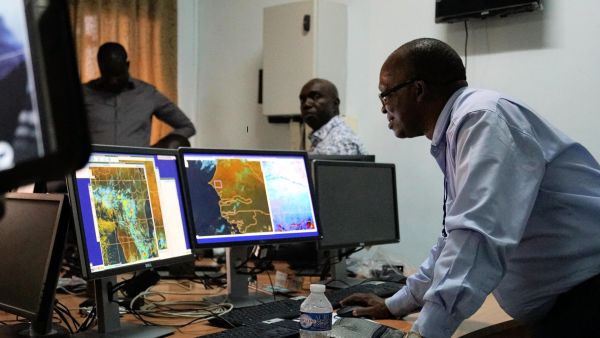
Scientists have been awarded £2 million to develop ways of alerting communities in South Africa, Zambia and Mozambique to extreme weather.

Students around the globe will be able to experience world-class expertise from the University of Leeds - as it launches a new fully-online course.
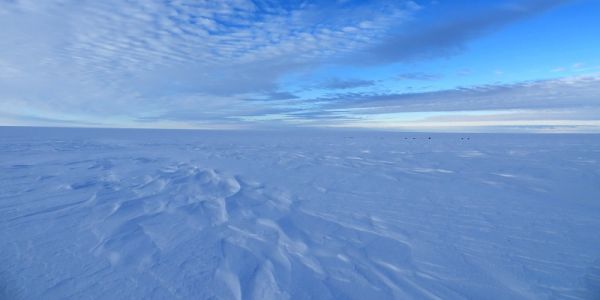
Scientists have calculated that the fastest changing Antarctic region - the Amundsen Sea Embayment - has lost more than 3,000 billion tonnes of ice over a 25-year period.
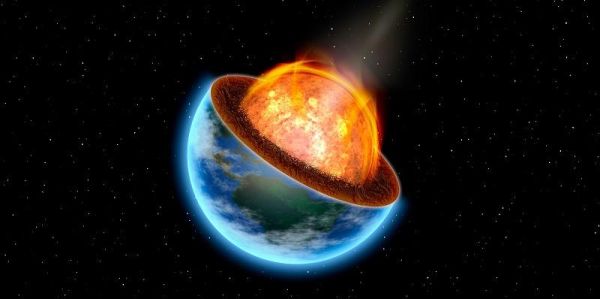
Compass readings that do not show the direction of true north and interference with the operations of satellites are a few of the problems caused by peculiarities of the Earth’s magnetic field.
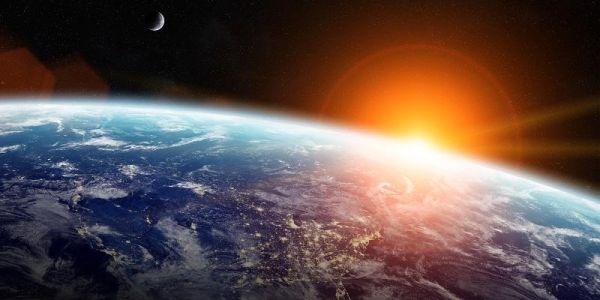
Mineral dust played a key role in raising oxygen levels in the Earth’s atmosphere billions of years ago, with major implications for the way intelligent life later evolved, say researchers.
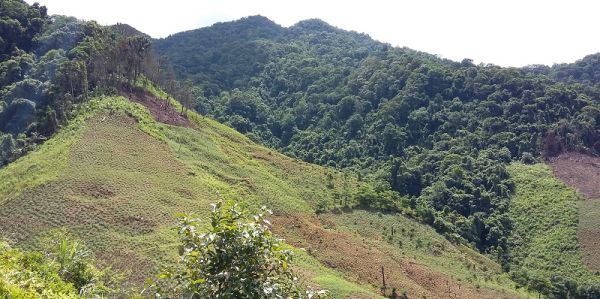
Deforestation is resulting in reduced rainfall across large parts of the tropics, according to new research.