
Unlocking clues to the origins of the stars
An artificial intelligence system analysing data from the Gaia space telescope has identified more than 2,000 large protostars - and they could hold clues to the origins of the stars in the Milky Way.
An artificial intelligence system analysing data from the Gaia space telescope has identified more than 2,000 large protostars - and they could hold clues to the origins of the stars in the Milky Way.

Relaxing the social distancing rules will be challenging because not enough is known about the way coronavirus spreads, a leading Leeds researcher has told MPs.

Scientists have used the principles that guide a mosquito’s nocturnal flight to develop a quadcopter equipped with an elegant collision-avoidance sensory system.
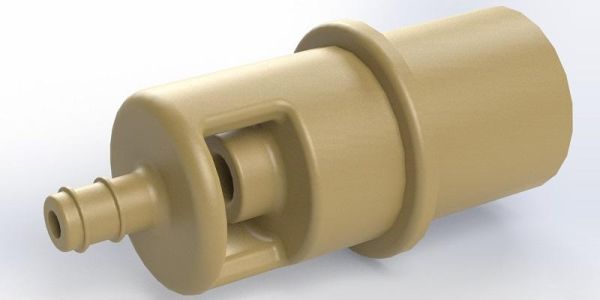
A research team at Leeds has developed a way of creating a ventilatory system for covid-19 patients that can be made rapidly on a 3D printer.

Experts are investigating a better way of measuring the number of people exposed to the health risks of poorly-managed sanitation systems.
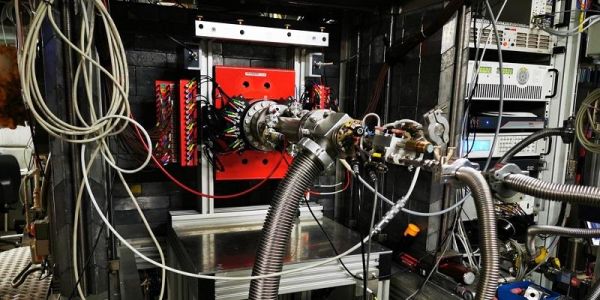
Scientists have made a breakthrough in the development of a new generation of electronics that will require less power and generate less heat.

Scientists working at the frontier of nanotechnology face huge challenges.
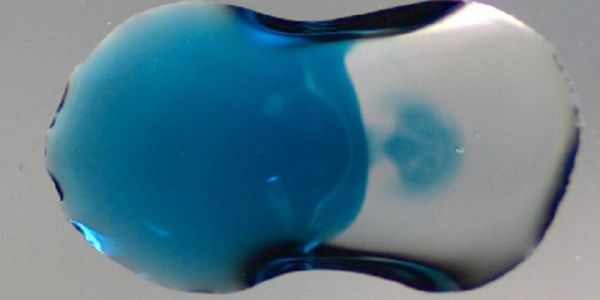
Cameras shooting up to 25,000 frames a second have been used to capture the moment two droplets of liquid come together, opening up research into new applications for 3D printing.
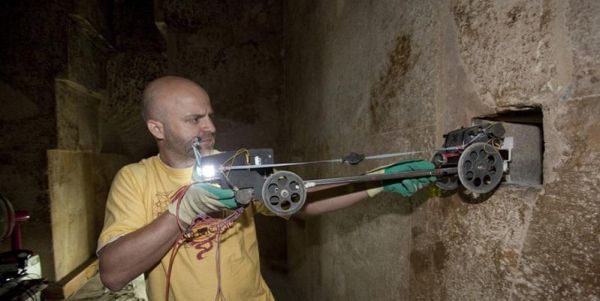
Engineers have developed a robot that has successfully navigated one of the narrow shafts of the Great Pyramid - in an attempt to solve one of the big mysteries in Egyptian archaeology.

The University is to be part of two supercomputing centres - to boost the ability of researchers to make major scientific breaththroughs.