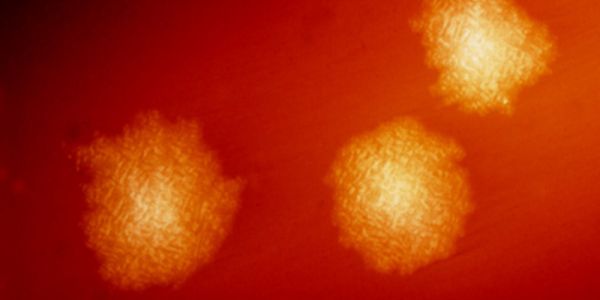
New C.diff treatment reduces recurrent infections by 40%
A new treatment for Clostridium difficile (C.diff) reduces recurrent infections by nearly 40%, a large study has found.
A new treatment for Clostridium difficile (C.diff) reduces recurrent infections by nearly 40%, a large study has found.

The first ever comparison of six of the major global flood risk monitoring computer models has revealed wide discrepancies between the information they provide.

Restricting the use of a common antibiotic was more important than a high profile 'deep clean' of hospitals in massively reducing UK antibiotic resistant Clostridium difficile, a major study found.

A new £6.8m medical imaging centre which aims to transform the diagnosis and treatment of patients suffering from cancer, heart disease and musculoskeletal diseases has opened.
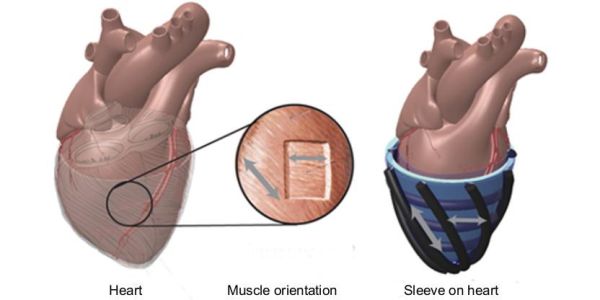
A prototype robotic sleeve, which can wrap around a weak heart before synchronising with its natural motion to help it keep beating, has been developed by an international team of engineers.

More than 200 scientists have signed up to a tissue-sharing database designed to reduce the number of animals needed for biomedical research.

A drug used to treat rheumatoid arthritis can reduce the risk of heart attacks in such patients by nearly 40%, a new study has found.

A vast peatland in the Congo Basin has been mapped for the first time, revealing it to be the largest in the tropics.

Targeting a specific DNA-repairing protein in the brain could be an effective way to treat the most aggressive type of brain tumour, a study suggests.

Senior University of Leeds academic Professor Anne Neville has been made an Officer of the Order of the British Empire (OBE) in the New Year’s Honours list, for services to engineering.