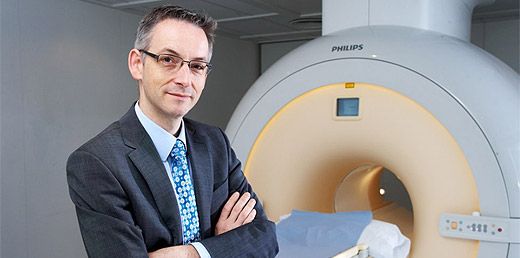
How to identify high risk heart disease patients
A new study shows that magnetic resonance imaging (MRI) scans are the safest and most effective way to identify high risk patients with cardiac chest pain.
A new study shows that magnetic resonance imaging (MRI) scans are the safest and most effective way to identify high risk patients with cardiac chest pain.

A new study has found that thousands of deaths could have been avoided if heart attack aftercare guidelines outlining when to give treatment were followed.

A new partnership involving some of Leeds’ biggest organisations has come together to improve people’s health and wellbeing both in the city and beyond.

The way we drive could help us understand how animals make their way.
University of Leeds Council statement: Fossil Fuels

Children from the age of seven are being encouraged to aim for a place at University, by attending after-school classes at a new centre in Beeston, Leeds.

Researchers have used ‘network theory’ for the first time to visually depict the movement of dinosaurs around the world during the Mesozoic Era – including a curious exodus from Europe.

Large animals play a key role in mitigating climate change in tropical forests by spreading the seeds of large trees that have a high capacity to store carbon, new research has found.

A daily dose of vitamin D3 improves heart function in people with chronic heart failure, a five-year University of Leeds research project has found.

Nobel Laureate Professor Michael Levitt is to speak at the University on Tuesday 12 April as part of the first ‘Astbury Conversation’.