
Science festival celebrates 10th anniversary
Have you ever looked through a telescope? Do you know what to do in the event of a zombie outbreak? Have you ever been to a science slam or a science ceilidh?
Have you ever looked through a telescope? Do you know what to do in the event of a zombie outbreak? Have you ever been to a science slam or a science ceilidh?

The human-dominated geological epoch known as the Anthropocene probably began around the year 1610, according to new research published today in Nature.
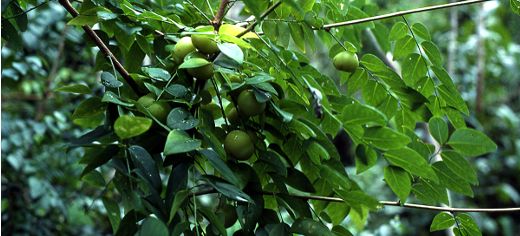
New University of Leeds research has shown why a bush that is only found in some African countries could hold a key to killing renal (kidney) cancer cells.

Doctors may have underestimated the risks to patients of taking paracetamol on a long-term basis, suggests research led by experts from the University of Leeds.

Enterprising students and graduates are putting their ideas into practice thanks to the generous support of a Yorkshire business.
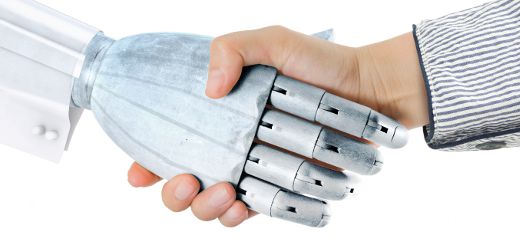
University of Leeds researchers will play key roles in two innovative projects using futuristic engineering to assist the human body.

Four University of Leeds researchers have volunteered to fight the Ebola epidemic in Sierra Leone.
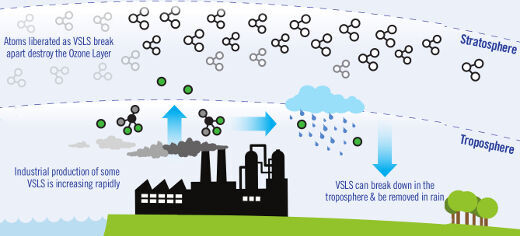
Scientists report that chemicals that are not controlled by a United Nations treaty designed to protect the Ozone Layer are contributing to ozone depletion.
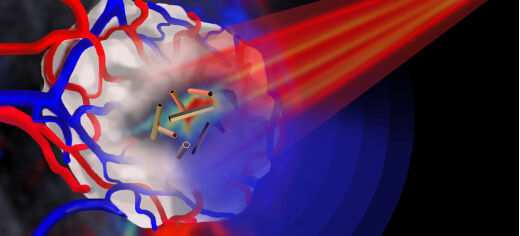
Scientists have shown that gold nanotubes have many applications in fighting cancer: internal nanoprobes for high-resolution imaging; drug delivery vehicles; and agents for destroying cancer cells.
Vice-Chancellor statement: Big Data Analytics