
Plastic shields reduce COVID risk for motorbike taxis
Affordable plastic shields reduce the risk of COVID-19 infection for passengers on motorcycle taxis popular in developing countries, a new study suggests.
Affordable plastic shields reduce the risk of COVID-19 infection for passengers on motorcycle taxis popular in developing countries, a new study suggests.

For at least the last 30 years, not a single country has met the basic needs of its residents without overconsuming natural resources, according to new research led by the University of Leeds.

A test rig to help the nuclear industry design new reactors, decommission old ones and better dispose of waste from nuclear reprocessing is to be built at the University.

New research has identified a way of using nanoclusters to bolster waning antibiotics.
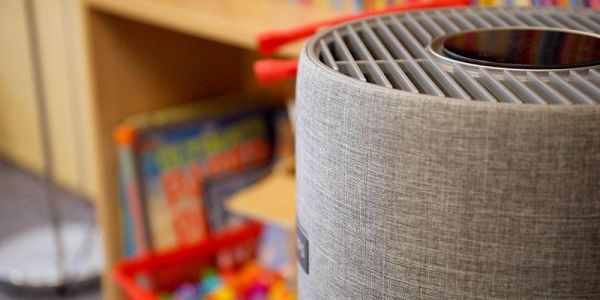
A study has been launched into the feasibility of using air cleaners to reduce the spread of COVID-19 in 30 primary schools in Bradford.

Cracked phone screens could become a thing of the past thanks to breakthrough research by a global team of scientists.
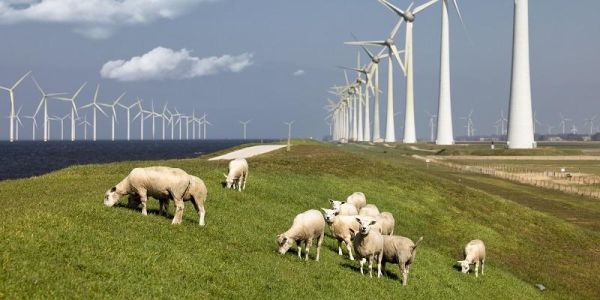
Industry must speed up investment in new technologies that allow manufacture of materials using renewable electricity if net zero emissions targets are to be met, researchers warn.

Parts of the Earth will be uninhabitable by 2500 if the current level of effort to address the climate crisis is maintained, a new study predicts.

Researchers in the UK and Africa have teamed up to help tea producers better understand future climate risks in a bid to reduce crop damage.
University of Leeds statement: Teaching and learning in the 2021/22 academic year.