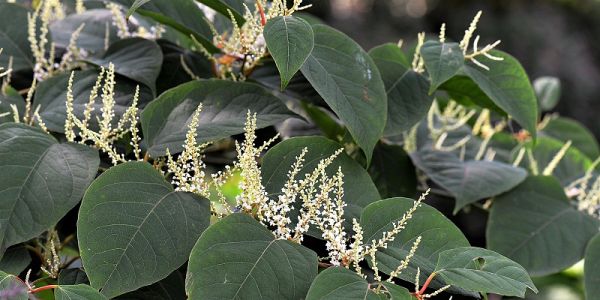
Leeds’ research on Japanese knotweed to drive Parliament debate
There is no evidence that Japanese knotweed causes more significant structural damage to buildings than many other plants, a Parliamentary committee will hear today.
There is no evidence that Japanese knotweed causes more significant structural damage to buildings than many other plants, a Parliamentary committee will hear today.

Government is missing a ‘huge opportunity’ to reduce the UK's carbon footprint by focusing spending on wind farms instead of materials recycling, according to a leading natural resources researcher.

Research suggests there would be a 64% chance of limiting the increase in global average temperatures to 1.5°C above pre-industrial levels, if fossil fuel infrastructure was phased out immediately.
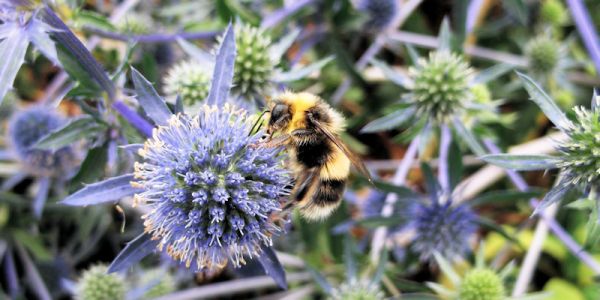
Given the pressures that pollinators face on agricultural land, cities could play an important role in conserving pollinators, according to a new study.
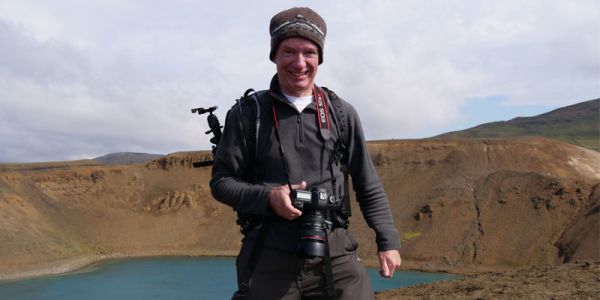
Important scientific contributions in the field of meteorology have resulted in a University-based academic being recognised in The Queen’s New Year Honours.

Influential Leeds research into Antarctic ice melt is featuring in a national campaign about the benefits of universities.

Harmless flies have evolved over millions of years to mimic the appearance of stinging insects, but new evidence suggests climate change is reducing the effectiveness of that disguise.

Professor Piers Forster has been appointed to the Committee on Climate Change and will help to shape environmental legislation and policy.

Politicians and stakeholders will today hear from senior Leeds professors how a renewed commitment from Whitehall could reduce pressure on natural resources and reclaim valuable materials from waste.
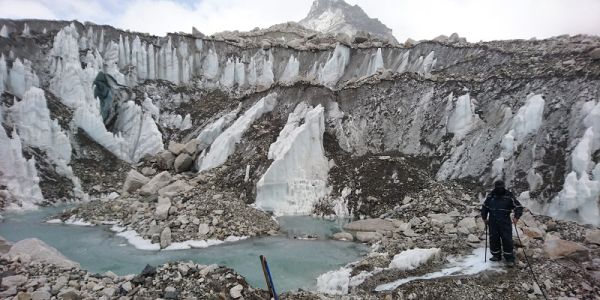
Ice temperatures inside the world’s highest glacier on the slopes of Mount Everest are warmer than expected and especially vulnerable to future climate change, warn glaciologists.