Understanding the impact of natural atmospheric particles
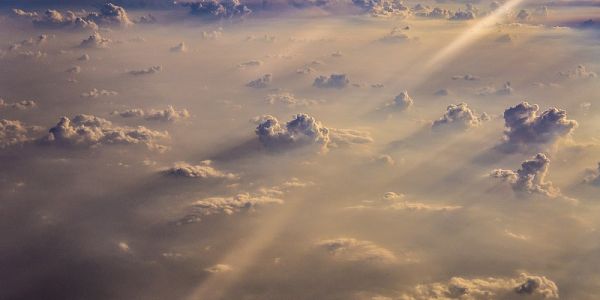
An international team of scientists, led by the University of Leeds, has quantified the relationship between natural sources of particles in the atmosphere and climate change.
An international team of scientists, led by the University of Leeds, has quantified the relationship between natural sources of particles in the atmosphere and climate change.

Shrinking glacier cover could lead to increased volcanic activity in Iceland, scientists have warned.

One of the largest global mass extinctions did not fundamentally change marine ecosystems, scientists have found.
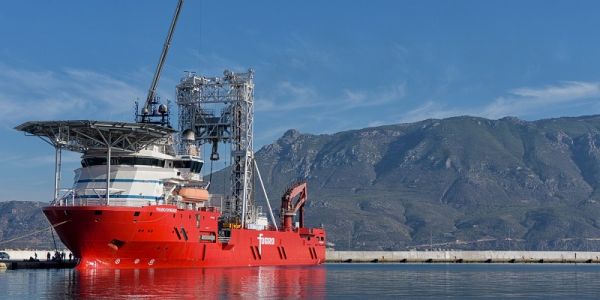
An international expedition aims to better understand seismic activity through samples collected from one of the most geologically active areas in Europe.

Past mass extinctions may have the potential to guide modern conservation efforts, according to a new study.

Scientists have developed a novel weapon in the battle against deadly hospital-acquired infections – a textile that disinfects itself.
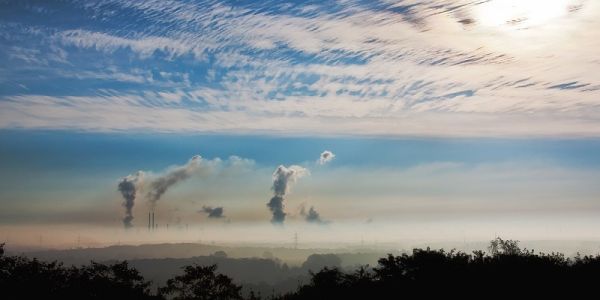
Limiting the increase in global average temperatures to 1.5°C above pre-industrial levels is still geophysically possible, but requires more ambitious emission reductions, say scientists.

The mass movement of humans and animals is significantly affecting the distribution of essential microorganisms, scientists warn.
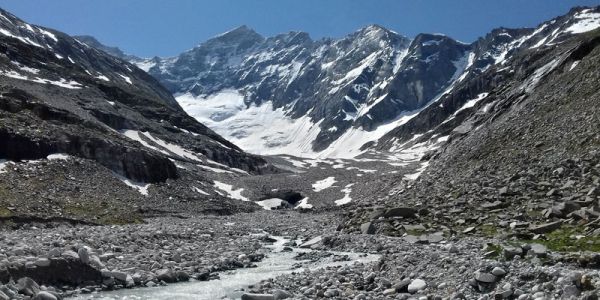
Researchers have called for urgent global action to address the effects of rapidly shrinking glaciers on ecosystems further downstream.

New seismic surveys are challenging the view that recent slowdowns in Greenland’s ice flow will continue in the long term.